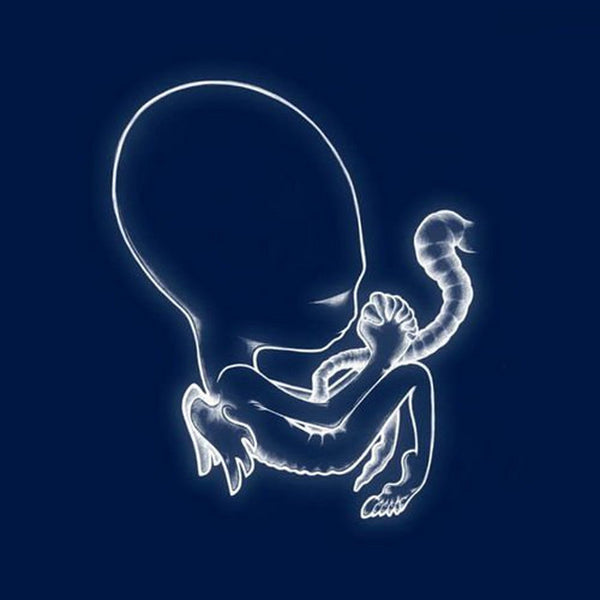
Ágætis byrjun
The album got its name by accident. A friend of the band heard the first song they had finished, told them it was a good beginning, and the phrase stuck. Ágætis byrjun means exactly that in Icelandic. The band kept the name even after the album became one of the most celebrated records of the decade, which says something about how Sigur Rós have always understood that the right idea is often the simplest one.
The band recorded at their studio Sundlaugin in the Icelandic countryside and assembled the first pressing themselves by hand, which resulted in many copies being unplayable due to glue stains. Frontman Jónsi Birgisson plays guitar with a cello bow, drawing long sustained tones from the strings rather than picking them, which gives the album its signature shimmering haze. The submarine-like pulse that opens "Svefn-g-englar," one of the most startling introductions in modern music, came from a keyboard run through the wrong amplifier in a session where the band were deliberately exploring equipment they were not supposed to be using. They kept it because it sounded like something from another world.
Several of the songs are sung in Hopelandic, a language Jónsi invented consisting of phonemes chosen for texture rather than meaning, which means the vocals function as pure sound and feeling rather than narrative. If you have never heard Sigur Rós, this is the record that explains why they matter. It is the sound of a very small island surrounded by an enormous ocean, and it makes that sound feel infinite.