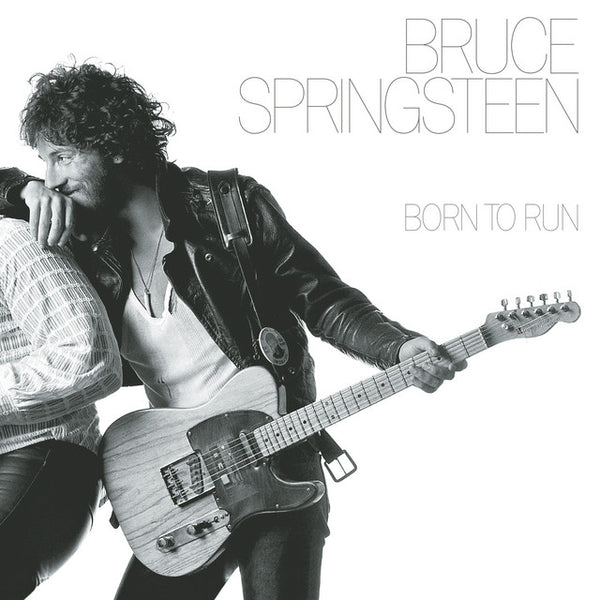
Born to Run album artwork
#43 out of 100

Born to Run

Bruce Springsteen
Genre
Heartland Rock
Year
1975

In the spring of 1974 a music critic named Jon Landau saw Bruce Springsteen perform at the Harvard Square Theater in Cambridge and wrote a review containing the sentence: "I saw rock and roll future, and its name is Bruce Springsteen." Springsteen, who had made two critically acclaimed but commercially ignored albums and was close to being dropped by his label, read that sentence while standing outside in the cold. He and Landau became friends, and Springsteen eventually brought him in to co-produce what became Born to Run. He spent six months on the title track alone.

The sound Springsteen was chasing was Phil Spector's Wall of Sound, the enormous orchestrated density of early sixties pop records, applied to something raw and cinematic about young Americans trying to outrun their circumstances. The opening track "Thunder Road" was completed after a thirteen-hour session where Springsteen auditioned amplifier after amplifier searching for exactly the right guitar tone. The sax solo on the title track was edited together from seven different recorded takes. Clarence Clemons, who played that saxophone, fills the spaces between the guitar lines with something that sounds less like accompaniment and more like a conversation.

When the album came out in August 1975, Springsteen appeared on the covers of both Time and Newsweek in the same week. The record sounds like escape and longing in equal measure, every song set at night, every song about somebody trying to get somewhere that might not exist. "Jungleland" closes it with nearly ten minutes of operatic rock music that builds to an ending that feels genuinely final. This is an album about the romance and impossibility of the American dream, made by someone who believed in both equally.

Rate this album

0/5