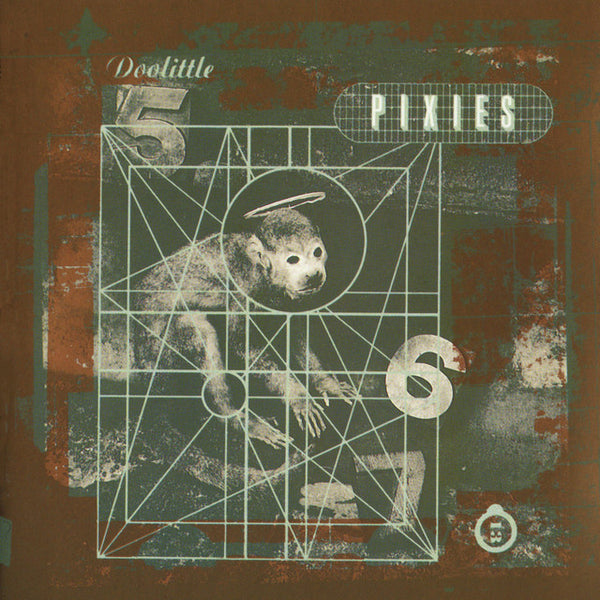
Doolittle
Kurt Cobain sat down to write "Smells Like Teen Spirit" and when he finished, he turned to his bandmates and said it sounded like the Pixies. He was right. The loud-quiet-loud dynamic that Nirvana popularized on Nevermind, the structure that defined a decade of alternative rock, had already been invented and perfected two years earlier on this record by four people from Boston who nobody outside of college radio had heard of yet. Cobain later admitted he was trying to write a Pixies song. He almost pulled it off. Almost.
Doolittle was the Pixies' second full-length album, produced by Gil Norton with a $40,000 budget from their label 4AD. It was a step up in sonic polish from their debut Surfer Rosa, which the notoriously prickly Steve Albini had recorded, and the cleaner production gave the songs room to detonate properly. Black Francis wrote lyrics about surrealist cinema, biblical violence, and environmental collapse with the same breezy confidence he wrote pop hooks, and somehow the combination never felt pretentious or strained. "Debaser" opens the album with a reference to Luis Bunuel's surrealist film Un Chien Andalou. "Monkey Gone to Heaven" reached MTV. "Here Comes Your Man" sounds like it wandered in from a different, sunnier record entirely. Kim Deal's bass and harmonies are the emotional weight holding every explosion in place.
Radiohead refused to go onstage after the Pixies at a 2004 festival because, they said, it would be like the Beatles supporting them. That tells you everything about where Doolittle sits in the architecture of modern guitar music. It invented the template. Everything that came after was building on this foundation.