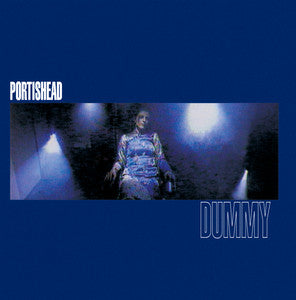
Dummy
Geoff Barrow met Beth Gibbons at an unemployment office in Bristol in 1991. He was a twenty-year-old tape operator who had been making tea for Massive Attack during their debut sessions and absorbing everything he could about how records were constructed. She was a nightclub singer looking for something to do with her voice. Together with guitarist Adrian Utley, who had been a veteran session player recording with jazz and rock acts for years, they built a sound in the Bristol studio basement that nobody had heard before and nobody has fully replicated since.
The production techniques Barrow used on Dummy were genuinely bizarre. He would have a live drummer play a groove, record it to tape, press that recording to an actual vinyl record, then scratch and damage the vinyl by hand before sampling the degraded result. He would throw the records on the floor, grind them with his feet, do whatever it took to introduce enough grime and imperfection into the sound that it felt like something excavated from a forgotten film score rather than freshly made. The samples underneath the tracks came from spy film soundtracks and jazz records, layered under Beth Gibbons' voice, which alternated between the bruised intimacy of Billie Holiday and something that felt genuinely haunted. Dummy won the 1995 Mercury Prize and is one of the records responsible for the entire genre of trip-hop becoming legible to a mainstream audience. "Glory Box," "Sour Times," and "Roads" are among the most atmospheric songs ever committed to tape.