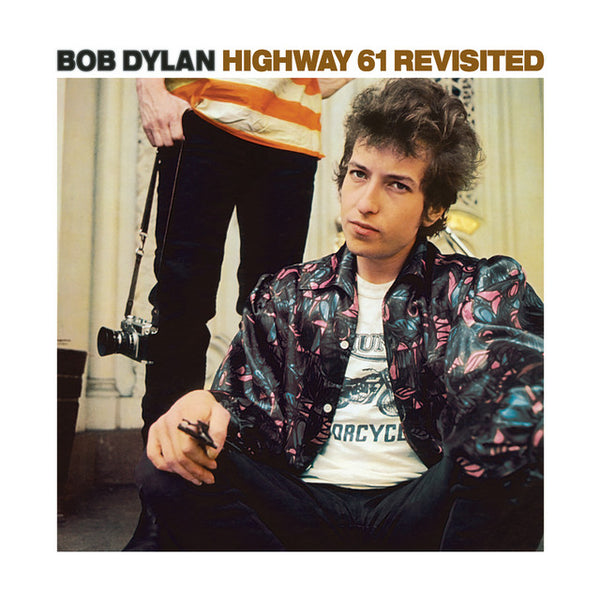
Highway 61 Revisited
Bob Dylan was 24 years old when he made this record, and he did it in less than a week. That fact alone tells you something about the kind of artist you are dealing with. Highway 61 Revisited is the album that turned Bob Dylan from a folk singer into one of the most important figures in the history of American music, and sixty years later it still sounds like nothing else.
The backstory is everything. Dylan had just come back from a solo acoustic tour of England, documented in the film Don't Look Back, and he was already restless and bored with his own songs. The folk community that had built him up as their protest poet was furious that he was adding electric instruments. When he played Newport that summer, part of the crowd booed. He did not care. He walked into Columbia's Studio A in New York, assembled a band of session players, and started recording songs that sounded like they had been written by someone twice his age and twice as angry.
"Like a Rolling Stone" opens the album with a snare crack that Bruce Springsteen once said sounded like somebody had kicked open the door to your mind. The organ part that defines the song was improvised by Al Kooper, who had shown up to the session as a spectator with almost no keyboard experience. Dylan heard the rough playback and turned Kooper's organ louder than everything else in the mix. The police whistle on the title track came from a necklace Kooper wore as a joke. That kind of lightning-in-a-bottle energy runs through every song on this record. Dylan contemporary Phil Ochs heard the finished album and said simply: "It's impossibly good." He was right.