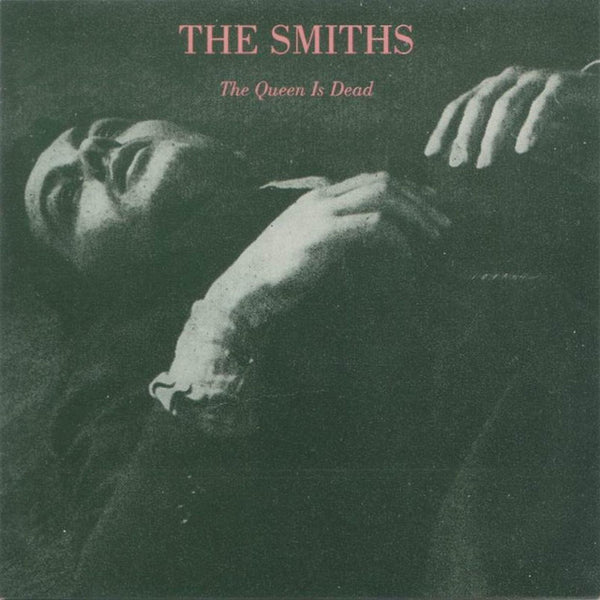
The Queen Is Dead album artwork
#28 out of 100

The Queen Is Dead

The Smiths
Genre
Indie Rock
Year
1986

The Smiths recorded this album during one of the coldest English winters in living memory. Johnny Marr had retreated with Morrissey to his home in Bowdon, Greater Manchester, to write and shut out everything else, including their own record label, which they were fighting with constantly. Drummer Mike Joyce later compared Marr's home to the Brill Building because of the sheer volume and pace of creative output happening inside it. The actual recording took place at Jacobs Studios in Farnham in the autumn and winter of 1985, and the title track was among the last songs put to tape, born on the same afternoon Marr was testing out a new wah pedal and stumbled onto an old riff he had written as a teenager. The whole track came from a thirteen-minute jam, with Marr later saying he was trying to capture the aggression of Detroit garage rock and simply got it wrong in the best possible way.

The album's working title had been Margaret on the Guillotine, a reference to Margaret Thatcher that was deemed too extreme even by the Smiths' standards. The backing vocals on "Bigmouth Strikes Again" are credited to a woman named Ann Coates, a name Morrissey invented as a nod to the Manchester district Ancoats. The voice belongs to Morrissey himself, pitch-shifted upward to sound like a female harmony. "There Is a Light That Never Goes Out" was very nearly not included. Johnny Marr thought the guitar part was too plain. Morrissey insisted. It has since become one of the most beloved songs in the history of British music.

The Queen Is Dead is The Smiths at the absolute height of their powers, Morrissey and Marr finishing each other's sentences across ten songs that swing between biting comedy and genuine devastation without losing their footing for a moment. Start anywhere. It holds together completely.

Rate this album

0/5